Air Fryer Chickpeas with Smoked Paprika
A drained can of chickpeas becomes a warm, crisp-edged topping with a little oil and smoked paprika. Drying the beans and giving them space are more useful than adding extra seasoning. Eat them soon after cooking, when the contrast between the firm outside and softer centre is most noticeable.
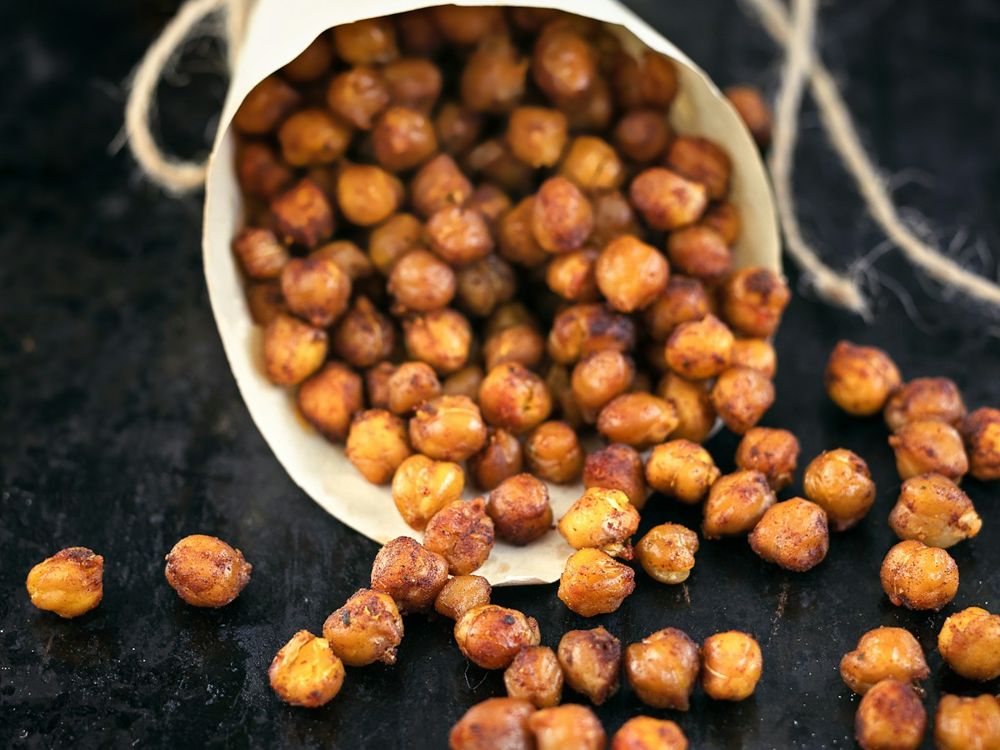
Photo: Ella Olsson · Photo license. Reference food photography; serving details may differ from the recipe.
Ingredients
US kitchen measures and practical metric equivalents. For cans, the weight is the package size before draining unless stated otherwise.
| Ingredient | US measure | Metric |
|---|---|---|
| chickpeas, drained and rinsed | 1 can (15 oz) | 425 g can |
| olive oil | 1 tbsp | 15 mL |
| smoked paprika | 1/2 tsp | 2.5 mL |
| garlic powder | 1/4 tsp | 1.25 mL |
| fine salt, or to taste | 1/4 tsp | 1.25 mL |
Ingredient notes: Check the labels of seasonings and packaged ingredients for your own allergen needs.
Step-by-step method
- Rinse and drain the chickpeas, then spread them over a clean towel. Pat them dry gently and let surface moisture evaporate while you prepare the seasoning. Loose skins can be removed, but you do not need to peel every bean.
- Check the air fryer manual and preheat to 390°F (199°C) if your model calls for preheating. Use the basket supplied with the appliance. Do not add a loose sheet of parchment that could lift toward the heating element.
- Toss the dried chickpeas with the oil. Add the paprika, garlic powder and salt, mixing until the seasoning is distributed. Avoid adding wet sauces before cooking; they change the surface moisture and can scorch.
- Spread in a single layer with space between the beans. Cook for an estimated 12–16 minutes, shaking or stirring at about 4-minute intervals. Work in batches if your basket cannot hold them without a deep pile.
- Begin checking before the end of the range. The outsides should look dry and lightly browned rather than blackened. If the beans need longer, continue in short intervals and shake again; small differences in canned beans affect the result.
- Transfer to a plate and let the chickpeas settle briefly before tasting. Adjust salt after cooking. Serve as a snack or scatter over a bowl just before eating, keeping any sauce separate until the last moment.
What makes the texture work
A chickpea carries moisture both inside and on its surface. Patting away the outside water helps the oil and seasoning contact the bean, while a single layer exposes more surface to circulating hot air. A crowded basket encourages steaming. These chickpeas are not identical to commercially dried crunchy snacks: expect a softer centre, and let that be part of the recipe rather than extending the cooking time until the beans become excessively hard.
Ways to change the seasoning
Try ground cumin instead of half the paprika, or finish with lemon zest once the chickpeas are out of the basket. Keep the total amount of dry spice modest until you know how your appliance browns it. Add fresh herbs, lemon juice or a spoonful of yogurt at serving time rather than before air frying. Those additions change both the texture and the allergen profile, so treat them as a finishing choice.
Serving and saving the remainder
Use the chickpeas over cooked rice, a chopped vegetable salad or a soup that needs a contrasting topping. Add them at the table so they do not sit in liquid. If saving a portion, follow the linked cooling and refrigeration guide; this recipe is not a shelf-stable snack-making method. Expect refrigeration to soften the texture. Reheat only the portion you plan to eat and check often because a second cooking cycle can brown the spices quickly.
Your quick checklist
- Read the whole method and measure the ingredients before heating.
- Check your appliance instructions and leave room for air to circulate.
- Use the doneness checks in the method; the clock is only a starting guide.
Common questions
Can I start with dried chickpeas?
This method is written for canned, already cooked chickpeas. Cook dried chickpeas fully using an appropriate method before adapting it; do not put hard dry beans straight into the air fryer.
Why are mine soft?
They may have retained surface water, been crowded in the basket or been covered with sauce too early. Try a smaller batch and dry the beans more thoroughly next time.