Air Fryer Chicken Breast: A Thermometer-First Method
Boneless chicken breast is easier to plan when the pieces have similar thickness and the cooking endpoint is clear. This lightly seasoned version is intended for two portions, with a flexible timing window. Use a thermometer to decide when it is ready rather than cutting repeatedly or relying on browning.
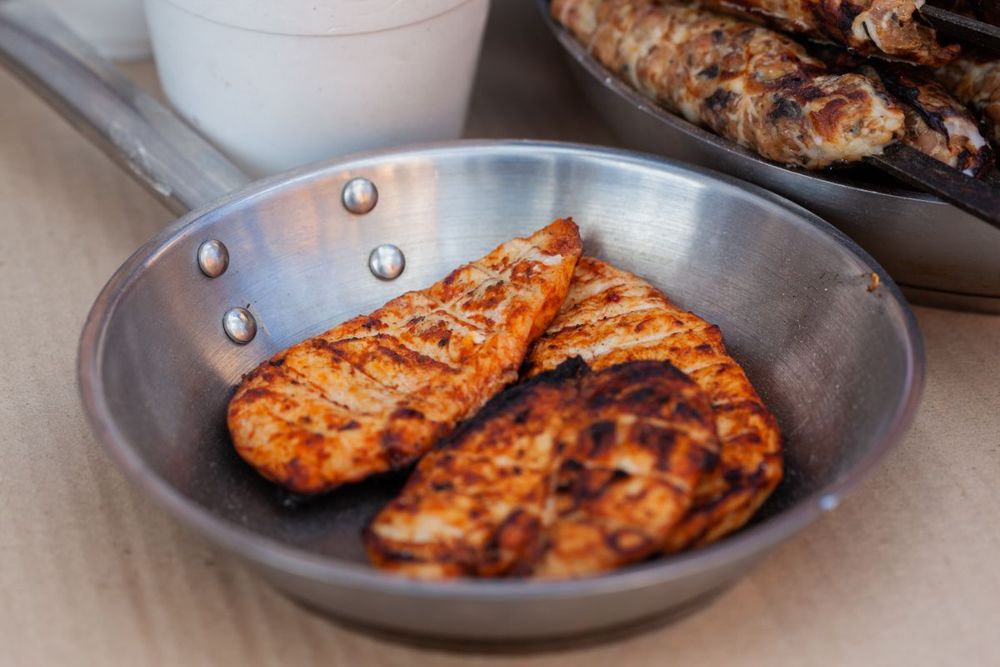
Photo: Julia Filirovska · Photo license. Reference food photography; serving details may differ from the recipe.
Ingredients
US kitchen measures and practical metric equivalents. For cans, the weight is the package size before draining unless stated otherwise.
| Ingredient | US measure | Metric |
|---|---|---|
| boneless, skinless chicken breast | 2 breasts, about 6 oz each | 2 breasts, about 170 g each |
| olive oil | 2 tsp | 10 mL |
| paprika | 1/2 tsp | 2.5 mL |
| dried oregano | 1/2 tsp | 2.5 mL |
| fine salt | 1/4 tsp | 1.25 mL |
| ground black pepper | 1/4 tsp | 1.25 mL |
Ingredient notes: Check the labels of seasonings and packaged ingredients for your own allergen needs.
Step-by-step method
- Use thawed chicken and compare the thickness of the two pieces. If one end is much thicker, gently even it out using an appropriate covered preparation method. Do not wash raw chicken; keep its juices away from other ingredients.
- Follow your appliance directions for preheating at 375°F (190°C). Mix oil, paprika, oregano, salt and pepper in a small bowl. Wash hands and clean the preparation area after handling the raw poultry.
- Coat the chicken with the mixture and place in a single layer, leaving space around each piece. If the basket is too small, cook a second batch instead of overlapping the breasts.
- Cook for an estimated 14–18 minutes, turning carefully around halfway through if permitted by the appliance. Begin checking earlier for thinner pieces; larger or thicker breasts can take longer than this window.
- Measure the centre of the thickest part with a food thermometer. Chicken must reach 165°F (74°C). Check both pieces separately and extend cooking in short intervals if either is below that endpoint.
- Move the cooked chicken to a clean board and rest briefly before slicing. Use a clean knife and serving utensils. Portion for the current meal or follow the storage guide promptly if preparing a later lunch.
Thickness is the useful comparison
Two packages can show the same weight yet contain differently shaped breasts. A narrow thick piece and a broad thin one do not cook at the same rate. Evening out a pronounced thick end can make checking easier, but do not flatten the chicken so aggressively that it tears. Record the approximate size and thickness of the portion that worked for your own appliance; treat that note as a starting point for the next batch, not a replacement for the thermometer.
Use the chicken in more than one meal
Slice across the meat for a rice bowl, chop a properly cooled portion for a lunch salad, or serve it whole with vegetables. Add a sauce after cooking so the surface seasoning does not become too wet. Lemon, a simple vinaigrette or a spoonful of yogurt can change the meal without changing the basic method. Check packaged ingredients and sauces for allergens instead of assuming a plain-looking seasoning blend is suitable for everyone.
When the result is not what you expected
Dry chicken can result from continuing well past the safe endpoint, particularly when the pieces are thin. A dark outside with an underdone centre calls for reviewing size, seasoning and appliance settings rather than removing the food early. If you cannot get a reliable temperature reading in a thin piece, insert the probe from the side into the centre. Do not use the same tongs or board for raw and cooked chicken without cleaning them appropriately.
Your quick checklist
- Read the whole method and measure the ingredients before heating.
- Check your appliance instructions and leave room for air to circulate.
- Use the doneness checks in the method; the clock is only a starting guide.
Common questions
Can I use the same time for thighs?
No. Different cuts and sizes need their own method and checks. All poultry still needs to reach 165°F (74°C).
Can I cook several portions at once?
Only if they fit in a single layer with air space. A crowded basket changes the cooking behaviour and may require batches.